Spec Homes: Key Benefits for Buyers and Real Estate Investors
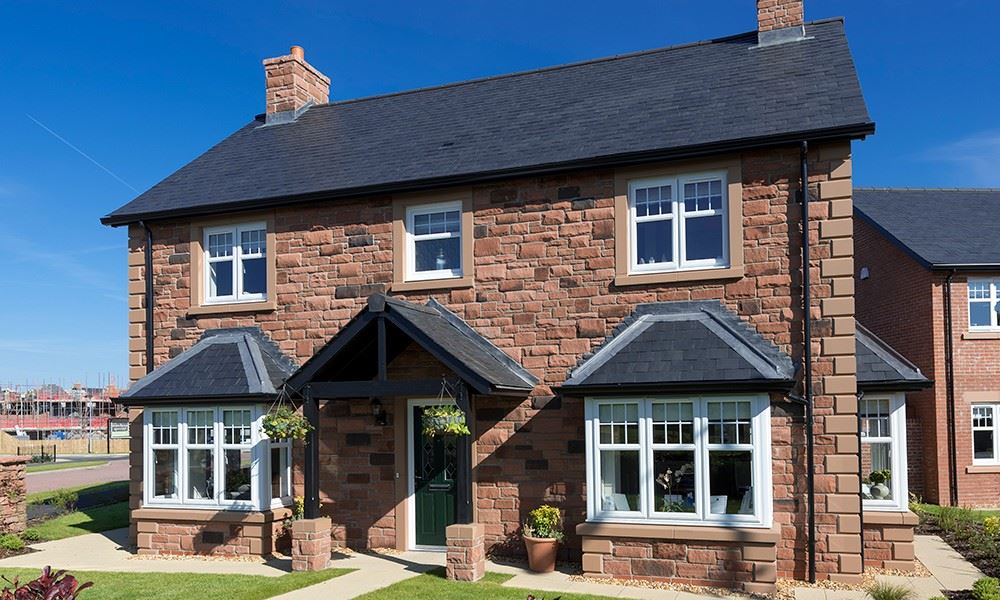
Spec homes play an important role in residential real estate by providing newly built properties designed for the open market. Rather than constructing a house for a buyer who has already committed to the project, builders make design and construction decisions based on anticipated demand. The completed or nearly completed property is then offered for sale.
This approach can benefit both homebuyers and real estate investors, but the advantages differ depending on their goals. Buyers may appreciate the convenience of a new home, while builders and investors may see opportunities to develop properties that attract demand. Understanding these benefits alongside the risks is essential before making a decision.
Benefits for Homebuyers
Move-In Convenience
One of the main advantages of a spec home is that the property may be completed or close to completion when it becomes available for purchase. Buyers can inspect the actual house and determine whether it meets their needs without waiting for every construction stage.
This can be helpful for people relocating for work, families planning a move, or buyers who do not want to coordinate a custom construction project. The exact move-in date still depends on financing, inspections, closing requirements, and whether any construction remains unfinished.
A Clearer View of the Finished Home
Buying from architectural plans requires buyers to imagine how rooms, finishes, and fixtures will look after construction. A completed spec home allows them to see the actual result.
Buyers can evaluate the kitchen layout, room sizes, storage, natural light, and flow between living spaces. They can also compare several properties more directly because they are looking at finished or nearly finished homes rather than relying only on drawings and samples.
This visibility supports more informed decisions, although buyers should still arrange appropriate inspections and review construction documentation.
Modern Design and Features
Builders generally choose features that they believe will appeal to the target market. Depending on the location and price range, a spec home may include practical storage, contemporary finishes, flexible living areas, modern appliances, and energy-conscious design choices.
A well-designed home can reduce the need for immediate renovations. However, buyers should check the exact specifications because marketing photographs may show optional upgrades that are not included in the purchase price.
Potentially More Predictable Purchase Costs
Because the design and specifications are mostly established, buyers may have a clearer view of the property’s purchase price before committing. This can make financial planning easier than managing a custom build with numerous choices and possible change orders.
The total cost of ownership still includes more than the purchase price. Taxes, insurance, closing expenses, utility bills, maintenance, and any additional furnishings or upgrades should be included in the budget.
Benefits for Builders and Real Estate Investors
Opportunities to Respond to Market Demand
Spec homes allow builders to create properties based on local research and buyer preferences. Instead of waiting for a specific customer to commission a home, they can identify an area where new construction may be attractive and develop a property intended for that market.
This requires careful evaluation of local sales, competing properties, buyer budgets, and neighborhood characteristics. A home designed for the wrong audience may take longer to sell or require a price reduction.
Market research does not eliminate uncertainty, but it can help builders make better-informed decisions about location, size, features, and pricing.
Repeatable Construction Processes
Builders who develop similar properties may benefit from repeatable plans, familiar specifications, and established supplier relationships. These systems can simplify scheduling and make project costs easier to estimate.
Purchasing selected materials in larger quantities may also improve efficiency, depending on supplier terms and project volume. Reusing proven designs can reduce the need to start each project from the beginning.
However, efficiency depends on good execution. Site conditions, permitting, labor availability, and material delays can still create complications. Builders must maintain quality standards rather than allowing standardization to become an excuse for overlooking important details.
Potential for Profit
The goal of a spec project is generally to sell the finished property for more than the total cost of developing and selling it. If the builder selects a suitable location, controls expenses, and attracts a buyer within a reasonable period, the project may produce a profit.
Calculations should include land, construction, permits, professional services, financing, insurance, taxes, marketing, commissions, and holding costs. A property that appears profitable based only on construction expenses may generate a much smaller return after all costs are included.
Builders exploring spec home construction should understand how speculative projects differ from builds with committed buyers and why the ability to sell the finished property is central to financial planning.
Capital Reinvestment Opportunities
For builders managing multiple projects, selling a completed spec home can release capital for future development. If sales occur within the expected timeframe, the business may be able to move resources into another project without holding completed inventory for too long.
However, capital can remain tied up when a home takes longer to sell than planned. Builders need enough financial flexibility to cover ongoing costs and manage delays without putting the entire business under pressure.
Important Risks to Consider
The benefits of spec homes should be evaluated alongside their limitations.
For homebuyers, limited customization may mean accepting a layout or finish that is not their first choice. Buyers should also verify construction quality, warranty coverage, included features, and the suitability of the location.
For builders and investors, the main concern is market uncertainty. There may be no guaranteed buyer when construction begins, and property values or demand may change before the home is sold.
Construction cost increases, delays, financing expenses, and competition can reduce profit margins. Builders should develop conservative financial projections, include contingency allowances, and avoid relying on overly optimistic sale prices.
Real estate investors should also distinguish between buying a spec home for personal use and investing in a project intended for resale. These decisions have different objectives, financing needs, and risk profiles.
The Importance of Financing and Planning
Sound planning connects the property’s design to its financial feasibility. Builders should understand the available financing terms, repayment requirements, interest costs, and conditions that apply if the property takes longer to sell.
Lenders may evaluate the builder’s experience, project budget, plans, specifications, property location, and expected market value. Requirements vary, so builders should review their options with qualified financial professionals before beginning construction.
Homebuyers also need a realistic financial plan. Mortgage eligibility, down payment requirements, ongoing expenses, and emergency savings should be considered before making an offer.
Conclusion
Spec homes can offer meaningful benefits to buyers, builders, and real estate investors. Buyers may gain access to a modern home with fewer construction decisions, while builders can develop properties based on anticipated demand and use repeatable processes to improve efficiency.
These advantages depend on careful planning and realistic expectations. Buyers should evaluate the property, total costs, and construction quality. Builders should assess market demand, manage financing, and account for the possibility of delays or slower sales.
When decisions are guided by reliable market information and disciplined financial management, spec homes can be a useful part of the residential real estate market. Resources from builderfinance.com can help builders explore the planning and financing considerations involved in speculative homebuilding.