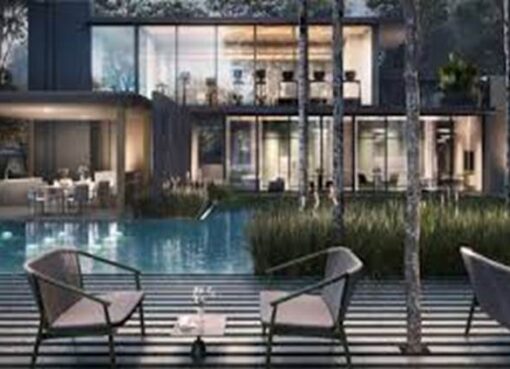
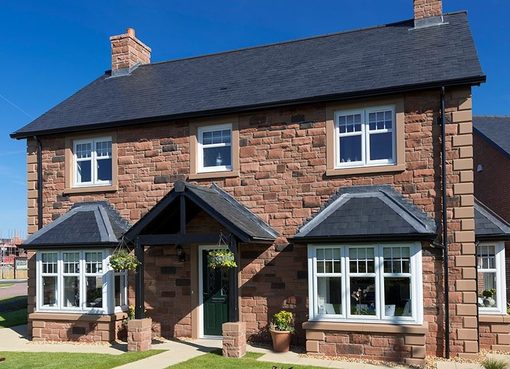
Key Architectural Highlights Found Across Modern Executive Developments

Buildings talk, if you stand still long enough. A tall block with deep balconies says one thing. A low, wide one says another. When people look at Solano Grand, the first reaction is often about how the place looks, long before any talk of price.
Good design is more than a pretty photo. It shapes light, noise, privacy, and even your mood on a Monday morning. Below are six design ideas worth knowing when you study any executive condo, from the facade to the tiny hardware on a door. Just curious eyes and a bit of patience.
First Look at the Facade
The facade is the face of the estate. Look at the lines first. Are they strict and clean, or playful with curves and steps? Colours matter too. Soft greys and creams feel calm, while bold shades feel loud. You will see it every day, so pick what you can live with.
Balconies and window frames add rhythm to the front. A good facade repeats a few simple ideas without turning boring. Looking at the drawings for Wynwood Grand, try squinting at them. If the shape still looks balanced, the design is probably solid. Renders flatter everything, so visit in person too.
Shapes, Blocks, and Skyline
Block layout decides who sees what. Towers placed in a staggered way give more units a gap to look through. Towers lined up like books on a shelf can block each other. Ask the sales team for a site plan and trace the view from your floor with a finger.
Height matters as well. Higher floors catch more breeze and light, but they also sit farther from the garden. Lower floors feel closer to the action. Pick based on how you live. Light sleepers might skip the units right above the driveway, no matter how handsome the lobby looks.
Light, Air, and Cross Breezes
Singapore is warm and humid, so airflow is not a bonus. It is a need. Look for units where two windows face different sides. Air can pass through and the home feels fresher without the aircon running all day. Check the sun too, since west facing rooms heat up fast.
Deep eaves and sunshades can shield windows from harsh rays. High windows throw light deep into a room. Even the colour of the ceiling matters. White bounces light, darker tones soak it up. Walk into the showflat and notice where the light falls. Come back later to compare.
Materials That Age Well
Look closely at what the building is made of. Glass, painted concrete, metal, stone, timber effect panels. Each ages in its own way. Painted walls can fade or streak in heavy rain. Metal can dull. Tiles usually keep their look longer, though grout lines need cleaning.
A new building looks perfect on opening day. Year ten is the real test. Ask the developer about the finishes used outside and how often they are repainted or checked.
Landscape Woven Into the Design
Greenery works best when it is part of the plan, not an afterthought. Look for trees placed along walkways, planters at lobby edges, and green screens that soften walls. These touches lower the heat you feel outside and soften the sound of the road.
Paths matter too. A smart layout lets a parent push a stroller from lobby to playground without crossing a driveway. Seating nooks, shade, and lighting make an evening stroll safe and pleasant. Check how rain is handled. Covered links keep a quick walk dry, which is a small gift in this climate.
Small Details Worth Noticing
Tiny things tell you about quality. Open a door and feel the weight. Slide a window and listen. Run a hand along a skirting board. Do the tiles line up at the corners? Sloppy edges in a showflat hint at what comes later in a handover unit.
A second visit helps too. Good architecture feels easy. If you keep noticing little annoyances, trust that feeling. Comfort beats style in the long run.
Conclusion
Architecture is not decoration. It decides how a home breathes, how it handles rain, and how it looks after a decade. Learn to read a few basic signs, such as facade balance, block spacing, window placement, and material choice, and brochures start to make more sense.
No estate is perfect. Every design trades something for something else. The goal is to find the trade offs you can happily live with. Visit, look up, look down, touch the walls, and ask plain questions. Then pick the place that feels right when you walk in on an ordinary afternoon.
What You Need to Know
- The facade of a building influences perception and can convey calmness or loudness based on color and design features.
- Unit layout and block spacing impact views and privacy, with staggered towers providing better sight lines than aligned towers.
- Good airflow is essential in warm and humid climates like Singapore, so look for units with windows facing different directions to facilitate cross breezes.
- Material selection affects the longevity and upkeep of a building, with options like tiles typically maintaining their appearance longer than painted surfaces.
- Incorporating greenery into building design enhances the environment and contributes to temperature control and sound reduction.
- Small details, such as the weight of doors and alignment of tiles, can indicate the overall quality of construction and design in a home.