What a Flood Overlay Notice Means for a Sydney Knockdown Rebuild Timeline
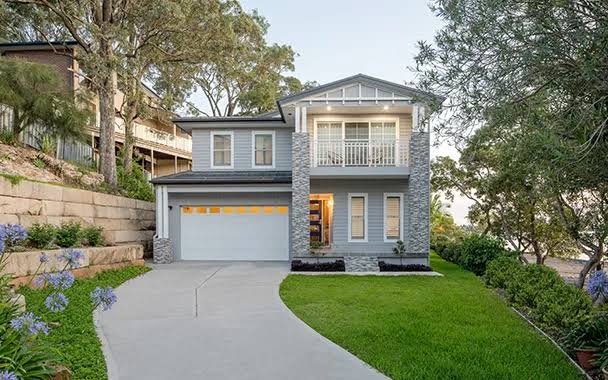
The property development may be planned differently due to a flood overlay. However, this can be an all-too-common experience for homeowners who are thinking about a knockdown rebuild in Sydney, only to find that midway through the project they have been placed in a flood overlay. Potential delays in design, reporting, signing, and construction initiation date depending on the state of affairs.
Understanding the process early will allow you to plan with less surprises.
What is a Flood Overlay?
A flood overlay indicates the land that may be flooded or seems likely to need a higher flood risk response. This also does not necessarily mean your rebuilding days are out of the question.
But it also may mean that the property is subject to additional planning controls and technical standards.
Exact requirements vary on the property location, flood characteristics, and rules set down by the local council in question.
How Can Barely Delay a Knockdown Rebuild on Its Own?
A generic rebuild could have already had surveys, plans drawn up by an architect and engineers, a pathway to obtaining council approval, etc. If a flood layer is added additional steps can add up.
Depending on the site, you may be required to need more information about:
- Flood levels and flow paths
- Finished floor levels
- Building design and structural requirements
- Drainage and stormwater management
- Safe access to and from the property
This can impact the design stage and also the approval process.
The Design May Need to Change
Planning controls on new homes are designed to mitigate the risk of flooding.
The finished floor level might need to be raised for instance. It may also mean careful consideration with where certain rooms, services, or even access points are located.
These changes can take time. It may need architects and engineers to re-draw the documents before it can go through.
For those looking at a knockdown rebuild in Sydney, this is one reason why it makes sense to check out what planning constraints exist before locking in the design.
Reports Can Add More Time
A flood overlay may need specialist reports or engineering. Which reports you require will vary from property to property and along the approval pathway.
The period between design and construction can stretch as firms wait for consultants, surveys, and revised plans.
The council will also need time to assess it. If further information is required during the process, then approval can take even longer.
What Builders Can Do to Manage the Timeline?
A well-seasoned building team will be able to anticipate any red flags along the way before they turn into major delays.
Ask when comparing some of the home builders in Sydney NSW, about how they handle properties impacted by flood controls. Discover who coordinates between consultants, engineering info, and design shifts.
Organising the entire project can easily be done if communication between the homeowner, designer, engineer, & builder is all clearly communicated.
What Homeowners Should Do First?
Do not assume the whole project must come to a halt if a flood overlay is shown.
Instead, ask the team behind your project for verification:
- What flood controls will the property be subject to?
- Are additional reports required?
- Should the design submitted need to change?
- What are the potential implications for the speed of the approval?
- How might the changes impact budget and schedule?
If you are quick about getting these answers, it sure makes planning a lot easier.
Factor in the Extra Time
Flood overlay does not automatically rule out a rebuild − but it can make the process more complex. The effect differs or is in relation to the site, configuration, and endorsement prerequisites.
Experienced home builders in Sydney NSW specialists can help you better plan for the various stages and know where extra time may be required.
When undergoing a knockdown rebuild, you can save countless hours by checking flood controls before demolition and design work begins in Sydney. Realistic timeframes need investigations, design work, reporting, and approvals rather than framing the build programme as a typical cycle in peacetime.
