Creating Livable Urban Homes Through Strategic Space and Amenity Planning
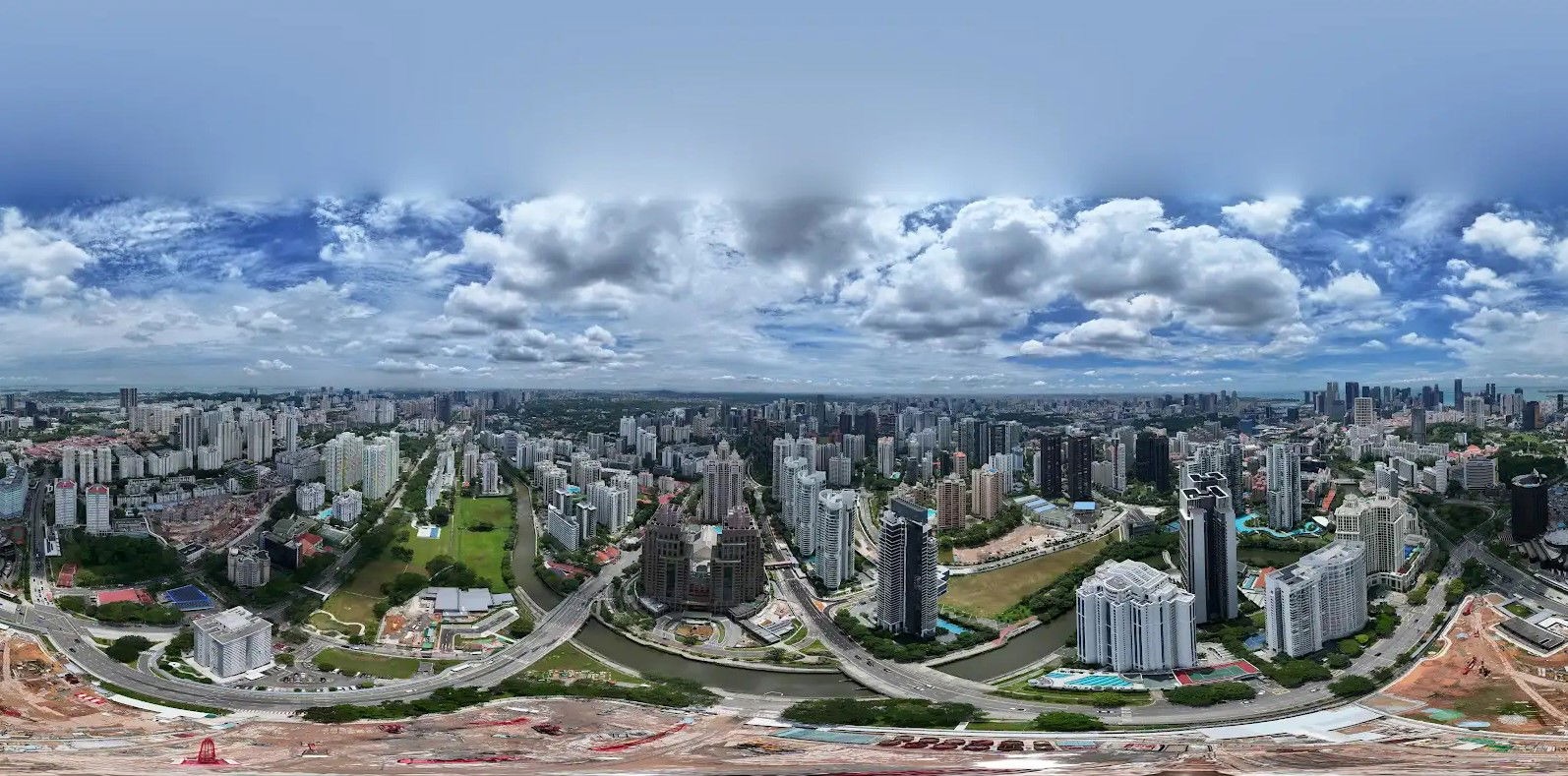
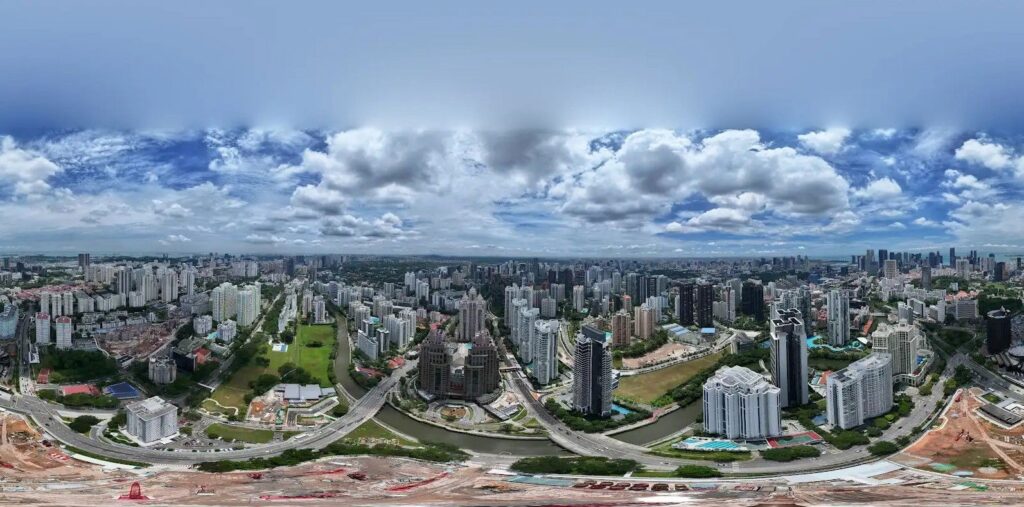
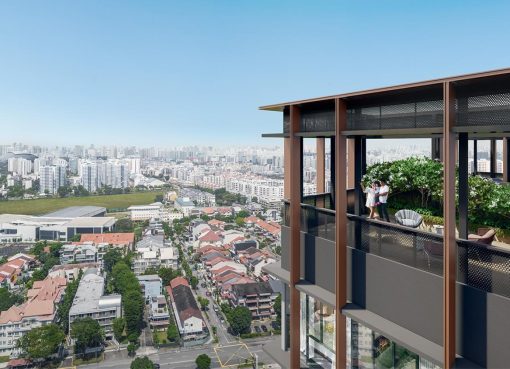
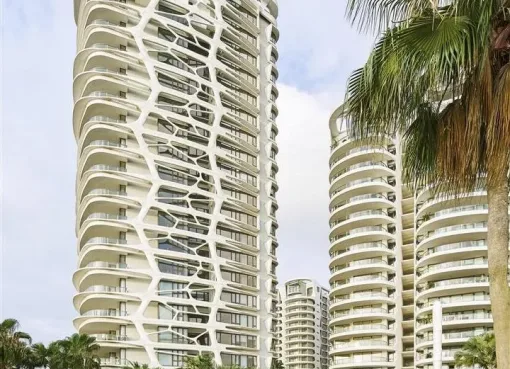
The design of urban housing is gradually influenced by the quest to make it livable as opposed to size and visual appeal in isolation. The urban dwellers want houses that will help them live comfortably, effectively, and generally healthy in the overcrowded towns. The construction of the Tengah Garden Residences and the Promenade Peak imply such a reversal of the priorities in smart spatial planning and the consideration of amenities. These home locations show how proper planning can help take ordinary living to higher levels, even in a small urban location.
Strategic Space Planning as a Foundation
Good space planning is the basis of the really habitable urban homes. Tengah Garden Residences demonstrates the possibilities of layouts for reducing the size of areas of waste without making it overly dense or hindering movement. The rooms have a distinct purpose, and this enables the residents to move around their homes without any difficulties. Promenade peak follows the same trend and emphasizes spatial efficiency, which favors functionality without compromising comfort. Homes that are properly planned are organized, serene and comfortable to stay.
Enhancing Daily Living Through Interior Layouts
The interior designs have a direct impact on the way people live their lives. Tengah Garden Residences is an expression of the planning decisions that allow both productivity and relaxation in the same apartment. Space is well delineated, and the residents can easily move between work, recreation and relaxation. Promenade Peak is also focused on dynamic layouts that adapt to the evolving requirements with the progression of time. By paying special attention to effective zoning, versatile use of the rooms and the efficient circulation, all of these developments contribute to the increase of the comfort in everyday life, as well as to the decrease of the stress that is not necessary.
Amenity Planning That Complements Residential Life
Facilities are crucial to moulding the general residential experience. Promenade Peak illustrates the fact that shared facilities can be incorporated with consideration in a manner they do not interfere with privacy, since they improve the lifestyle. Tengah Garden Residences is no different as it abides by the same principles and places amenities in a way that will motivate people to use it without disrupting a serene lifestyle. Planned amenities are available, but they are not obtrusive, and thus, residents are not troubled by congestion and noise in their personal areas.
Balancing Density with Personal Comfort
A dense urban lifestyle is sometimes an issue of noise, privacy, and personal space. Tengah Garden Residences is responding to these issues using spatial zoning, which segregates busy spaces in the house from other more quiet spaces. Promenade Peak also demonstrates that orientation and internal buffers can minimize visual and acoustic problems. These urban planning plans enable those living in the area to reap the fruits of urban living without losing the feeling of personal withdrawal and comfort.
Environmental Considerations in Space and Amenity Design
The aspect of environmental comfort is a critical aspect of livable residential planning. Tengah Garden Residences incorporates natural lighting and ventilation, elements of the spatial design, to produce interiors that are bright and breathable during the day. Another way that promenade peak ensures that living spaces are aligned to ensure the maximum number of daylights and airflow are in place is to enhance indoor comfort and minimise the use of artificial systems. Such layouts, which are environmentally responsive, lead to improved living conditions and sustainable city living.
Supporting Community Without Sacrificing Privacy
The residential projects in the city must be in a position to find a balance in between the community, and privacy. Promenade Peak demonstrates how public spaces can allow people to socialize without overcrowding members. Tengah Garden Residences also portrays the consideration of planning that places the communal spaces outside of the private living areas. Such a considerate distance gives the residents a chance to interact with their society on their own terms, while respecting individual spaces in their households.
Conclusion
The ability to survive the changing lifestyles in residential spaces is not a long-term issue. Both Tengah Garden Residences and Promenade Peak show how strategic planning of spaces and amenities can still be applicable even when the needs change. These changes emphasize the importance of flexible designs and equal facilities, whether it is the adjustment of new working patterns or the changing family structure. Modern urban households can provide long-term comfort, functionality, and improvement of the lifestyle through smart planning and emphasis on livability.