Breathe Easier During Cleanup: A Practical Guide to Faster, Safer Drying After Water Damage
When water damage hits, most people focus on what they can see: wet carpets, stained drywall, and puddles that keep coming back. The bigger risk often hides in the air and inside building materials. Moisture trapped in wood, insulation, and subfloors can lead to odors, warping, and microbial growth if drying is slow or incomplete. The good news is that a clear plan and the right equipment can dramatically improve results, whether you are managing a home cleanup or coordinating a small commercial response. Drying is not just about blasting heat. It is about controlling airflow, humidity, and filtration so moisture leaves materials efficiently and does not spread contaminants. If you are working in an occupied space, indoor air quality matters even more. That is where HEPA filtration and controlled air movement become essential parts of a smart recovery process.
Start With Containment, Airflow, and HEPA Filtration
Before you ramp up fans, think about where air will travel. Air movement is powerful, but it can also push dust and particles into clean areas. Use simple containment steps like closing doors, sealing vents if appropriate, and isolating the work zone. Then create directional airflow that pulls damp, stale air out and brings drier air in. For tasks involving dust, odors, or fine particles, a HEPA air scrubber can help capture airborne debris while you dry and clean. If you need a reliable option locally, this resource is helpful: Air Movers Rental in Newmarket – Beast 600 HEPA Air Scrubber / Purifier | Hepa Air Scrubber Rental |DryingEquipment.ca – Newmarket & Aurora. Pairing filtration with good airflow helps reduce that lingering musty smell and supports a safer cleanup environment.
Match Drying Equipment to the Job, Not the Guess
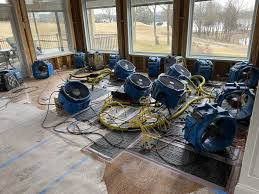
Every space dries differently. Basements, tight closets, and rooms with limited ventilation often need more targeted air movement and dehumidification than an open living area. The goal is to remove moisture from the air so materials can release what they are holding. That typically means running dehumidifiers continuously, positioning air movers at wall and floor junctions, and monitoring progress instead of relying on touch alone. If you are unsure what mix of tools you need, reviewing a local rental lineup can clarify your options: commercial drying equipment rental in Aurora – Drying Equipment Rental – Newmarket & Aurora. A good setup saves time, reduces demolition, and lowers the chance that problems return weeks later. With a focused approach to containment, airflow, and moisture control, drying becomes predictable instead of stressful. The result is a cleaner space, fewer repairs, and confidence that the job is truly finished.