Signs Your Heating Oil Tank Needs Replacement or Repair
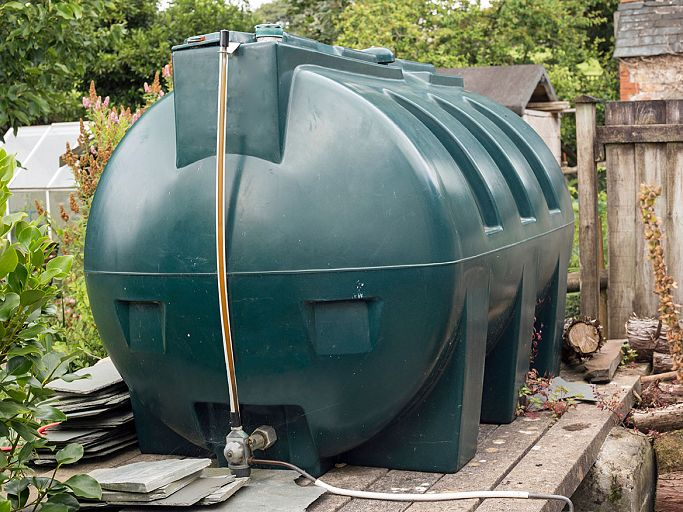
Heating oil shropshire is a trusted heating solution for many homes across the region, providing warmth during the cold winter months. For many households, heating oil is a dependable and efficient way to keep homes warm throughout the colder months. While a heating oil tank is built to be durable, it is also subject to wear and tear over time. Regular inspection and maintenance are essential to ensure your heating oil system runs smoothly and safely. Ignoring the signs of a failing tank can lead to expensive repairs, environmental damage, and disruption to your home heating. Here, we explore the key signs that indicate your heating oil tank might need repair or replacement.
Visible Rust and Corrosion
One of the most obvious warning signs of a problematic heating oil tank is the appearance of rust and corrosion on the tank’s surface. Over time, moisture and weather conditions can cause the metal to rust, which weakens the tank’s structure. Rust patches are often the first visible indication that your tank’s integrity is compromised. If left untreated, corrosion can lead to holes or cracks, which may cause oil leaks. It’s advisable to have a professional heating oil specialist inspect any rusted areas to determine whether repairs can be made or a replacement is necessary.
Oil Leaks or Unusual Odours
If you notice a persistent smell of oil around your home or garden, it is an important sign that your heating oil tank could be leaking. Sometimes, you may also spot oily stains or damp patches near the base of the tank. Oil leaks are serious issues that pose environmental risks, can contaminate soil and groundwater, and may cause damage to your property. Furthermore, oil leaks waste your fuel and increase your heating costs. Immediate action is needed if you suspect any leaks. A qualified technician should inspect your tank and either repair the leak or advise on replacing the tank altogether.
Unexpected Fluctuations in Oil Usage
Monitoring your heating oil consumption is a great way to keep tabs on the health of your tank and heating system. If you find that your oil usage is suddenly increasing without a corresponding increase in heating demand, it could indicate a hidden leak or inefficiency. Leaks inside the tank or problems with the fuel lines may cause oil to be lost unnoticed. Additionally, blockages or issues within the tank can affect fuel delivery to your boiler, resulting in poor heating performance and wasted oil. Keeping a detailed log of your deliveries and usage will help detect these irregularities early.
Physical Damage and Structural Issues
Any visible physical damage to your heating oil tank should be treated as a cause for concern. Dents, cracks, or signs of impact damage can compromise the tank’s ability to hold oil safely. Such damage can be caused by accidents during delivery, extreme weather conditions like hail or fallen branches, or shifting ground beneath the tank. Even small cracks can worsen over time and develop into leaks. If you notice any form of damage, arrange for a professional assessment as soon as possible.
Age of the Heating Oil Tank
Like most equipment, heating oil tanks have a limited lifespan. On average, a steel heating oil tank lasts between 15 and 20 years, though this can vary depending on quality and maintenance. If your tank is nearing or beyond this age, it is wise to consider replacement even if it currently appears to be in good condition. Older tanks are more prone to corrosion, leaks, and structural failure. Planning a replacement before an emergency occurs can save you money and hassle in the long run.
Water Contamination in the Tank
Water entering your heating oil tank is a less obvious but very serious problem. Water can get into the tank through condensation or through leaks in the tank’s cap or seals. Water sits at the bottom of the tank, where it can cause internal corrosion and rust, shortening the tank’s life span. Moreover, water in your fuel can damage your boiler or heating system, leading to costly repairs or inefficient heating. Regular professional tank servicing includes checking for and removing water contamination to protect your system.
Problems with Fuel Delivery
Sometimes your heating oil supplier may alert you to difficulties in filling your tank, such as the delivery nozzle not fitting properly or delivery taking longer than usual. These issues may signal tank deformities or blockages caused by internal damage, sediment build-up, or corrosion. Such problems not only affect delivery but can disrupt your heating system’s operation. If your supplier raises concerns, it’s important to have your tank inspected promptly.
How to Maintain Your Heating Oil Tank
Regular maintenance and inspection are crucial to extending the life of your heating oil tank and ensuring safe, efficient heating throughout the year. Here are some tips for homeowners in Shropshire:
- Schedule Annual Professional Inspections: A heating oil specialist can check for corrosion, leaks, and water contamination, and perform necessary cleaning or repairs.
- Monitor Your Oil Usage: Keep track of your oil deliveries and usage to identify any sudden changes that may indicate a leak.
- Keep the Area Around Your Tank Clear: Remove debris, vegetation, or anything that could cause damage or restrict access to the tank.
- Protect Your Tank from the Elements: If possible, shield your tank from extreme weather conditions using a cover or enclosure to minimise wear.
- Check Your Tank’s Age: Plan for replacement as your tank approaches the end of its expected lifespan to avoid unexpected failures.
Conclusion
Your heating oil tank is a critical part of your home’s heating system, especially during the cold winters. Paying attention to the signs of wear, damage, or leaks can prevent costly repairs and environmental hazards. If you notice rust, leaks, unusual fuel consumption, or any other warning signs mentioned above, contact a professional heating oil service provider promptly. Proactive maintenance and timely replacement will ensure your home remains warm, safe, and efficient year after year.