Spec Homes Investment: Is It Worth It?
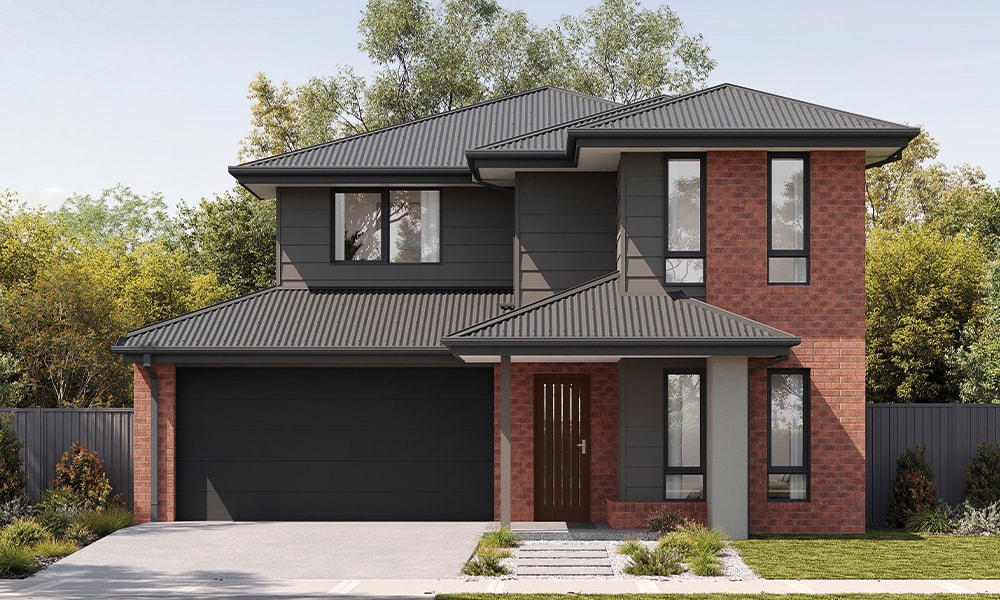
In real estate investing, the hunt for yield often leads to a familiar crossroads: do you opt for the predictable, slow-rolling equity of a long-term rental, or the rapid, high-intensity chaos of a standard fix-and-flip? While both paths have minted their share of millionaires, a growing segment of experienced investors is pivoting to a third, highly lucrative option: spec home construction.
Building a speculative or “spec” home—constructing a residential property with no pre-committed buyer, relying instead on market demand for the exit—is a sophisticated strategy. But in today’s real estate climate, characterized by a persistent deficit in housing inventory and a consumer base that heavily favors move-in-ready homes, the overarching question remains: Is it worth it?
The short answer is yes—if you understand how to manage the unique risk profile and structure your capital correctly.
The Financial Equation: Why Investors Choose Spec Construction
To determine if spec homes are worth your capital, you have to look closely at the risk-to-reward ratio compared to traditional residential investing. Fix-and-flips often trap investors in a cycle of discovering hidden structural disasters behind old drywall, which eats away at projected margins. Custom home builds, on the other hand, shackle the developer to the emotional, erratic whim of a single client.
Spec homes bypass these specific operational bottlenecks, delivering unique financial advantages:
- Premium “New Home” Pricing: Buyers consistently pay a premium for brand-new, never-lived-in properties that feature contemporary layouts, structural warranties, and modern energy efficiencies.
- Absolute Operational Autonomy: Because you are building for a demographic profile rather than a specific individual, there are no customer-driven change orders to halt your framing crew or blow past your timeline.
- Predictable Construction Costs: Unlike a renovation where you are reacting to old mistakes, a ground-up spec build uses standard, repeatable blueprints. This allows for hyper-accurate material budgeting and tighter subcontractor bidding.
The Core Risk: The Cost of Capital
If spec homes are so profitable, why isn’t every investor doing it? The barrier to entry isn’t necessarily construction expertise—it is the intense demand for capital. Building a spec home requires purchasing land, funding site development, and carrying all vertical material and labor costs simultaneously.
Because there is no guaranteed buyer under contract when the project breaks ground, conventional consumer banks view spec homes as highly speculative and are notoriously hesitant to fund them. If they do, they often impose rigid loan-to-cost limitations, slow draw cycles, and demanding personal balance sheet covenants. Turn to unvetted hard-money lenders, and you are frequently hit with exorbitant upfront points and double-digit interest rates that instantly suffocate your profit margins.
To make spec building truly worth the investment, developers must utilize specialized builder loans designed specifically for inventory creation.
Aligning with the Right Capital Partner
Scaling a spec home pipeline requires shifting away from one-off, transactional financing toward institutional partners that specialize in the ground-up residential sector. This is where dedicated platforms like builderfinance.com completely change the investment calculus for developers.
A professional lender built specifically for builders eliminates the friction points that cause traditional project financing to collapse:
| Financing Attribute | Traditional Bank Loans | High-Cost Hard Money | Specialized Builder Loans (e.g., Builder Finance Inc.) |
| Appetite for Spec Inventory | Extremely low / Requires pre-sales | High, but punitively expensive | Built specifically for spec/inventory strategies |
| Max Loan-to-Cost (LTC) | Usually caps at 70-75% | Varies wildly with hidden fees | Programs reaching up to 100% LTC on construction and land |
| Monthly Cash Flow Strain | Requires immediate monthly interest | Requires immediate monthly interest | Deferred interest options (no monthly payments during year 1) |
| Funding Velocity | Weeks of bureaucratic review | Fast, but structurally inconsistent | Same-day or rapid draw cycles tied to milestones |
By leveraging a dedicated spec line of credit or a structured construction facility that offers up to 100% loan-to-cost, an investor significantly amplifies their Return on Equity (ROE). Instead of tying up hundreds of thousands of dollars of personal cash in a single plot of dirt, a developer can spread their equity across multiple concurrent projects, accelerating their wealth generation.
The Lifecycle Matrix: Turning a Spec Project Into Profit
For a spec home to be worth the effort, the project must advance like clockwork. Delays kill margins through prolonged holding costs (taxes, insurance, and loan interest). Successful developers treat the build lifecycle as a strict manufacturing process.
1.Submarket Analysis and Land Sourcing:Phase 1.
Identify highly desirable infill lots or emerging pockets with low housing inventory. Ensure the lot is properly zoned, entitled, and free of environmental complications before closing.
2.Securing Institutional Builder Loans:Phase 2.
Partner with a direct lender to lock in your construction facility. Establishing deferred interest or a flexible milestone-based draw schedule ensures your project stays fully funded without draining operational liquidity.
3.Standardized Manufacturing Phase:Phase 3.
Deploy a highly vetted general contractor using a pre-optimized, universally appealing floor plan. Focus your budget on high-ROI finishes (like open-concept kitchens and main-floor primary suites) while avoiding niche personal designs.
4.Early-Stage Marketing and Exit:Phase 4.
List the home on the market when it hits the drywall stage. This captures buyers who need a guaranteed move-in date within 60 to 90 days but allows them a brief window to choose minor cosmetic finishes like paint colors or hardware.
Building a Bulletproof Exit: The “Build-to-Rent” Safety Valve
The ultimate question of whether spec homes are “worth it” usually comes down to market timing. What happens if the local real estate market experiences a macro cooldown while your home is halfway through framing?
Experienced developers insulate themselves from this exact risk by designing a built-in fallback option: The Build-to-Rent (BTR) Pivot.
The BTR Strategy: If consumer demand softens temporarily, a modern, highly energy-efficient spec home can easily pivot into a premium long-term or medium-term rental asset. Because it is brand new, the property will command top-of-market rent while requiring virtually zero maintenance or capital expenditure costs for the first several years of operation.
The Verdict
Is spec home investing worth it? If you approach it as a casual hobby or rely on rigid, expensive, misaligned financing, the risk can easily outweigh the reward. However, if you treat it as a disciplined business enterprise—built on deep local market data, standardized construction processes, and supported by programmatic builder loans from an experienced, direct lender like builderfinance.com—spec home construction is arguably one of the most powerful vehicles for compounding capital in modern real estate.